
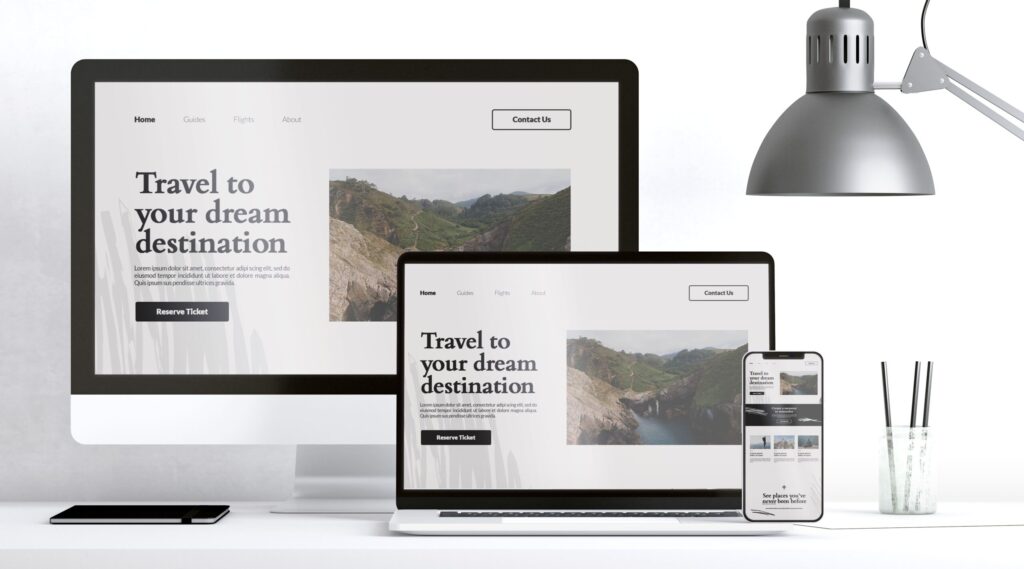
Building landing pages that actually convert visitors into customers is one of the most crucial skills for small business owners in today’s digital landscape. A well-crafted landing page can be the difference between a visitor bouncing away and becoming a paying customer. This comprehensive guide will walk you through the essential steps of building landing page designs that drive real results for your business.
Understanding the Purpose of Your Landing Page
Before diving into the technical aspects of building landing page designs, you need to establish a clear purpose. Every successful landing page serves a single, focused objective. Whether you’re capturing email addresses, promoting a product launch, or driving webinar registrations, your landing page should have one primary goal that guides every design decision.
The most effective landing pages eliminate distractions and guide visitors toward a specific action. This focused approach is what separates high-converting pages from generic website pages that try to accomplish too much at once.
Crafting a Compelling Headline That Captures Attention
Your headline is the first thing visitors see, making it the make-or-break element of your landing page. A powerful headline should communicate your value proposition clearly while addressing your target audience’s primary pain point or desire.
When writing headlines, focus on benefits rather than features. Instead of saying “Advanced Email Marketing Software,” try “Double Your Email Open Rates in 30 Days.” This approach immediately tells visitors what they’ll gain from your offer.
The best headlines are specific, urgent, and relevant to your audience. Test different variations to see which resonates most with your visitors, as small changes in wording can significantly impact conversion rates.

Designing for Maximum Visual Impact and User Experience
Visual design plays a crucial role in your landing page success. Your design should support your message, not overshadow it. Use plenty of white space to avoid overwhelming visitors, and ensure your most important elements stand out through strategic use of color and contrast.
Mobile responsiveness is non-negotiable when building landing page designs in today’s mobile-first world. More than half of web traffic comes from mobile devices, so your landing page must look and function perfectly on all screen sizes.
Keep your design clean and professional while maintaining consistency with your brand colors and fonts. Every visual element should serve a purpose in guiding visitors toward your call-to-action.
Writing Copy That Converts Visitors into Customers
Effective copy is the backbone of any high-converting landing page. Your content should speak directly to your target audience’s needs, fears, and desires. Use language that your customers actually use, avoiding industry jargon that might confuse or alienate potential clients.
Structure your copy to tell a story that leads naturally to your offer. Start by acknowledging the problem your audience faces, present your solution, provide evidence of its effectiveness, and then make your offer. This narrative flow helps visitors understand why they need your product or service.
Social proof is incredibly powerful as well. Include testimonials, case studies, or customer logos to build trust and credibility. Real stories from satisfied customers often carry more weight than even the most persuasive sales copy.
Creating Irresistible Calls-to-Action
Your call-to-action (CTA) button is where conversions happen, making it one of the most critical elements in your landing page. The CTA should stand out visually through contrasting colors and strategic placement above the fold.
The text on your CTA button matters more than you might think. Generic phrases like “Submit” or “Click Here” don’t create urgency or communicate value. Instead, use action-oriented language that tells visitors exactly what they’ll get, such as “Get My Free Guide” or “Start My Trial Today.”
Consider the psychology behind your CTA placement and wording. Visitors should feel excited about clicking your button, not hesitant or confused about what happens next.
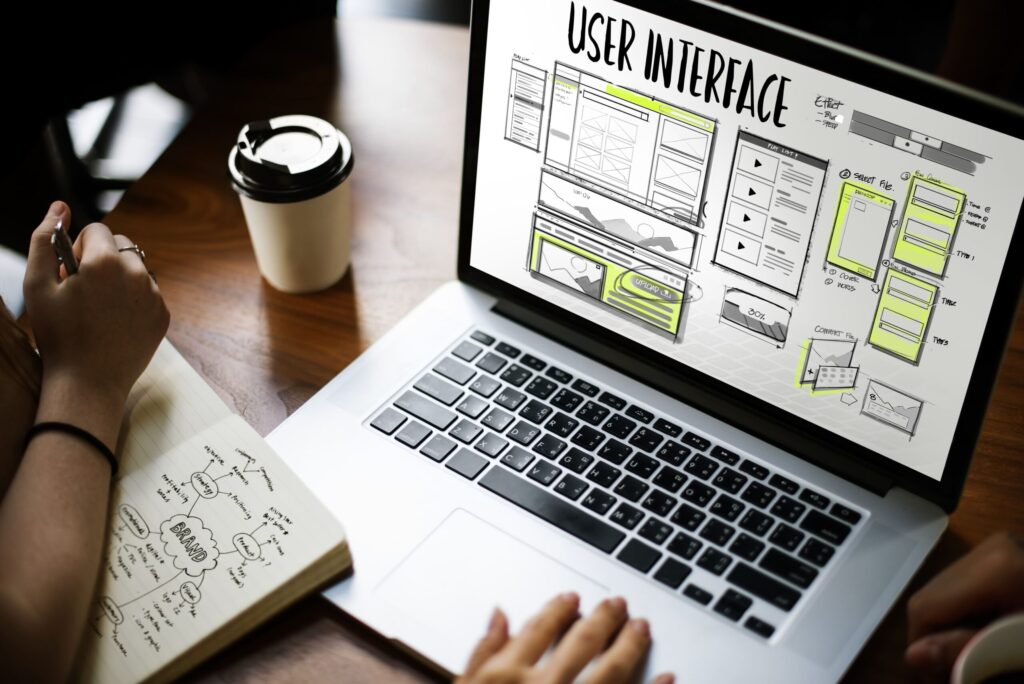
Testing and Optimizing for Better Results
Your landing page success doesn’t end when your page goes live. Continuous testing and optimization are essential for maximizing your conversion rates over time. Start by testing different headlines, as this single element often has the biggest impact on performance.
Track key metrics like conversion rates, bounce rates, and time on page to identify areas for improvement. Small changes like adjusting button colors, modifying headline text, or repositioning elements can lead to significant improvements in conversion rates.
A/B testing different design versions helps you make data-driven decisions rather than relying on assumptions. Test one element at a time to clearly understand what changes are driving improved performance.
Common Mistakes to Avoid When Building A Landing Page
Many small business owners make critical errors when building landing page designs that hurt their conversion rates. Asking for too much information upfront is one of the most common mistakes. Only request the information you absolutely need to follow up with prospects.
Another frequent error is including navigation menus or excessive links that give visitors easy ways to leave your page. Remember, the goal is to keep visitors focused on your single conversion objective.
Don’t underestimate the importance of page loading speed. Slow-loading pages kill conversions before visitors even see your offer. Optimize images and minimize unnecessary code to ensure your page loads quickly on all devices.
Taking Action on Your Landing Page Strategy
Building landing page designs that convert requires careful planning, attention to detail, and ongoing optimization. Start by implementing the fundamentals covered in this guide, then continuously test and refine your approach based on real user data.
Remember that every business and audience is different. What works for one company might not work for another, which is why testing is so important when building landing page success strategies.
Do you need help in creating a landing page that drives real results for your small business? Blue Sky Websites specializes in building and designing landing pages that will convert visitors into customers. Contact us today to schedule a consultation and discover how we can help grow your business through strategic landing page optimization.